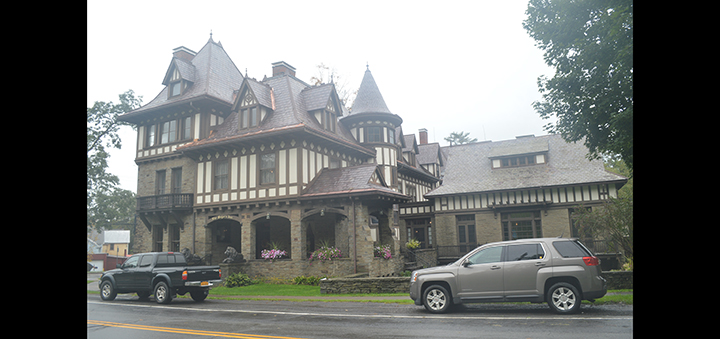
NORWICH – Minimum wage became a focus issue at a presentation of the state’s 2016-2017 budget at the Northeast Classic Car Museum on Friday.
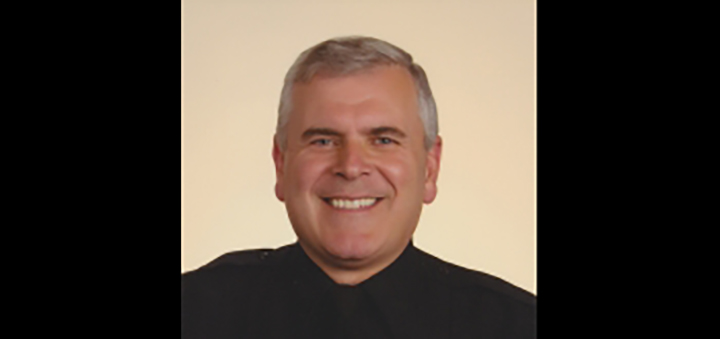
Local leaders in the business, government, education and nonprofit sectors gathered at the museum in Norwich Friday to hear retired Army Colonel Eric Hesse, Director of the NYS Division of Veterans Affairs present the finalized state budget which, among other things, calls for implementation of a plan to raise the minimum wage to $15 over several years. Gov. Andrew Cuomo signed the plan into law last week.
While advocates of the minimum wage increase say it will lift workers out of poverty, many local officials argue that it will do more harm than good by putting fiscal stress on small businesses and tying the hands of publically funded entities such as schools, county government, municipalities and nonprofits.
According to Commerce Chenango President and CEO Steve Craig, those entities will be “squeezed out of existence in the next five years.” The raise will be especially burdensome on local governments and school districts that are obligated to stay under the state-mandated tax cap, he said.
“We are now in uncharted territory with the magnitude of this raise. We’ve never really ventured past the point where minimum wage was about 55 percent of the median wage in the economy,” Craig said. “$15 is currently 92 percent of the median wage in Chenango County. Even economists will not predict what happens when you enforce a minimum wage that’s almost 100 percent of median wage.”
Craig noted that a small business of 500 or fewer employees in Chenango County pays an average salary of $27,000 per year. In New York City, however, small employers pay annual salaries of $78,000 – nearly tripple that of Chenango County. He said the raise in minimum wage would warrant $18 million in Chenango County that would have to be transferred just to payroll.
“It’s not a one-size-fits-all model,” he added.
Similar remarks were shared by Steve Palmatier, Workforce and Industrial Development Liaison for Commerce Chenango.
“For small (school) districts, it’s going to cost them one or two staff members,” Palmatier said. He added it would be just as troublesome for local hospitals whose rates are decided by insurance companies and Medicaid. “How are they going to deal with that?” he asked. “I would like to hear what the governor proposes to do.”
Despite objections, Hesse assured that changes to minimum wage would be incremental and occurring over time so that employers will have time to adapt.
“We’re not doing this overnight,” he added. “We are working our way into it so they can make adjustments based on economic activity.”
Hesse’s presentation also called attention to several other aspects of the state’s 2016-2017 spending plan. Other Southern Tier highlights of the governor’s “Built to Lead” agenda include: