NORWICH – Catholic Charities of Chenango County is introducing changes to its programming, including its Roots and Wings program, that it says are a step forward in helping the organization become more sustainable in the long-run.
Catholic Charities rolled out three new programs this year, creating a total 24 new jobs within the organization and expanding services for certain demographics including the elderly, the developmentally disabled, and individuals who are Medicaid eligible.
Another program geared toward individuals in need of emergency respite services is slated to start in January, and will add another 10 jobs to Catholic Charities’ roster.
According to Jeff Chesebro, Director of Operations at Catholic Charities, the new programs are designed to strike a balance between long-term viability and meeting community needs. State agencies, namely the Office for People with Developmental Disabilities (OPWDD), are shifting funding streams from in-patient to out-patient service programs. Unfortunately, there’s a gap in programming that’s available in Chenango County, said Chesebro.
Catholic Charities is trying to fill that gap.
“This is the direction that our state legislators are moving our human services – to these home and community based types of services,” said Chesebro. “What we’re doing as an agency is analyzing which one of these services will be viable in the future and we’re trying to transition all our services in that direction. So we're constantly reviewing all of our programs to shape and reform them.”
Catholic Charities introduced three new programs this year. Its Health Home Care Coordination services provide comprehensive care management and care coordination services to Medicaid recipients with serious physical health and behavioral health needs. The program helps individuals navigate the healthcare system, and offers care management, care coordination, individual and family support, and level of care transitioning and planning support and referral services.
Catholic Charities’ Community Habilitation Services is taylored for individuals who don’t reside in a residence certified or operated by the OPWDD. The program meets the needs of developmentally disabled people and is delivered at any non-certified location, such as an individual’s home. Supports include adaptive skill development and assistance with daily living.
Intensive Behavioral Services, the last of the three programs started this year, is a short-term service for individuals with behavioral issues that put them at risk of placement in a more restrictive residential setting. The program teaches the individual, family and care givers the steps to take to prevent placement in a hospital or psychiatric center.
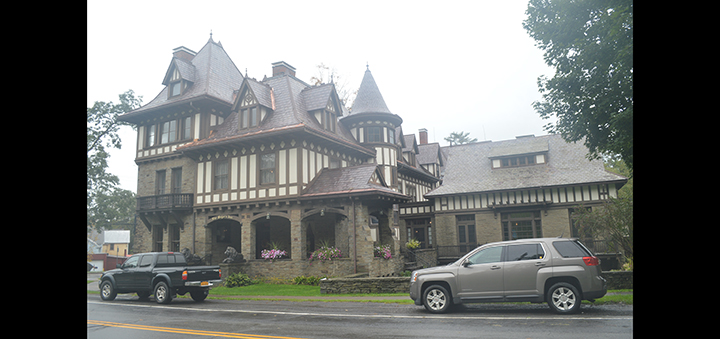
A fourth program for emergency free standing respite services will be available in January. This program serves individuals with developmental disabilities who are homeless or at risk of becoming homeless. Catholic Charities will utilize the facility once used for its domestic crime victims services program which closed earlier this year. The new program will be a one-of-a-kind model in New York State, said Chesebro.
“This is the most viable opportunity for us, and it ended up being very unique,” he explained. “In New York State, this will be the only program specific to homeless individuals with developmental disabilities.”
Only two other free-standing respite service centers are located in the Southern Tier, one in Binghamton and the other in Ithaca.