CHENANGO COUNTY– Due to the heavy snow and ice accumulation this winter, the ongoing threat of more snow and a forecast of rising temperatures, Chenango County Bureau of Fire and Office of Emergency Management urges residents to inspect and clear their roofs and decks to prevent structural collapses, leaking roofs and other accidents caused by hazardous loads of melting snow and ice.
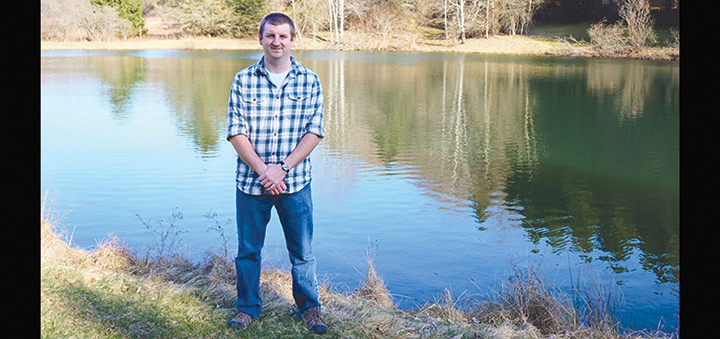
Chenango's Fire Coordinator and Director of Emergency Management, Matt Beckwith, said there has been a wave of roof collapses throughout the Northeast due this winter's heavy snow fall and record low temperatures. Regular snowstorms and freezing temperatures have created a build-up of snow and ice on rooftops.
“It should heighten the awareness for people to inspect and possibly remove snow from their rooftops before they give way or cause significant damage,” said Beckwith. “Be mindful, from the ground it may not look like much, but once you start looking closely, you may be amazed as to how much snow and ice is actually on your roof.”
According to Beckwith, as the snow and ice begins to melt, there is more danger of structural damage, leaks and accidents. He said snow is heavy, and its weight only increases when rain, ice and sleet are added to the mix.
“Two feet of snow on the average-sized roof can be the equivalent of 38,000 pounds, or 19 tons. All of this weight puts stress on your roof and weakens its structure. Depending on the pitch of the roof, whether it is covered with steel or shingles and the truss design, are just some of the factors to determine if your roof can handle the increasing weight of the snow and ice,” said Beckwith.
Not only do residents have to worry about the weight of the snow and ice, said Beckwith, but complicating matters more is the snow and ice melting, which can cause water seepage. Beckwith said water seepage can rot roofs, destroy insulation, flood attics, ruin gutters and damage the interior of your home.
“Make sure your residential ventilation system is not covered. Most houses have an exhaust system for their interior septic system and heating system, protruding through the roof line. Make sure these vents are not covered. If they are, the natural ventilation of your house is compromised and will not be able to circulate sufficient air through your building,” said Beckwith.
“Covered ventilation pipes could lead to a deadly buildup of carbon monoxide gas inside your house or building,” he added.