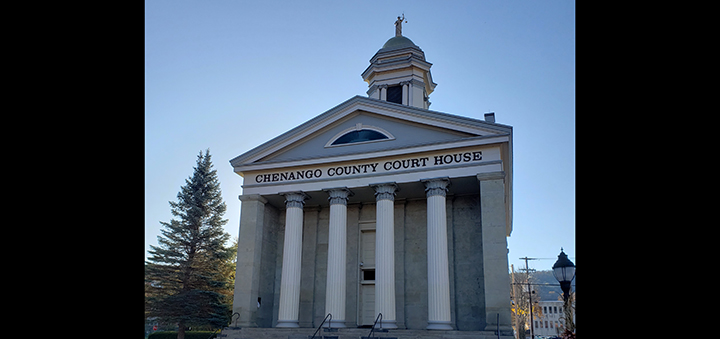
CHENANGO COUNTY – County policy makers are aiding an outside area legal battle they say could determine how the county handles the sale of delinquent tax properties in the future.
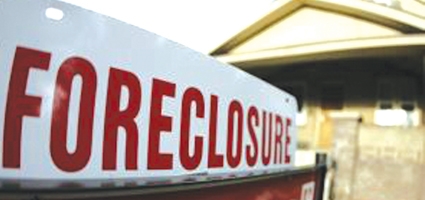
Last month, the Chenango County Board of Supervisors unanimously adopted a resolution pledging $2,000 to Wayne County to help foot costs of litigation relating to its tax foreclosure of a delinquent tax property. The litigation has the attention of the New York State Association of Counties (NYSAC) which is claiming the outcome could threaten how each county retains and sells tax foreclosed properties.
“This has generated a lot of interest mainly because it would impact all counties,” explained Chenango County Attorney Alan Gordon.
The issue in Wayne County involves a tax foreclosed property taken by the county and sold in an auction to the highest bidder, then handed over to that bidder free and clear of outstanding fees including mortage and judgement leans. Under New York State law, such fees are severed through the process of the tax sale.
“A lot of people buy homes at a tax auction in hopes of getting a property of higher value for substantially less,” Gordon said. “If those fees existed, no one would buy.”
However, in Wayne County, the original owner of the foreclosed property filed for bankruptcy after the tax sale. And since bankruptcy is determined in a federal court, bankruptcy law typically trumps state law. Unfortunate for Wayne County, bankruptcy law allows a two-year window in which the person who files for bankruptcy can look back at the sale of the property. If within those two years the person who filed for bankruptcy disposes of a property for substantially less of its value, bankruptcy court has the right to void the sale.
This spells trouble for Wayne County, said Gordon. The county has already sold the property to a new owner who has invested a great deal of money into repairs and rehabilitation. Per federal bankruptcy law, this leaves Wayne County legislators with one of two options: void the sale; or pay bankruptcy court the difference between what the property sold for in auction and the full value of the property.