NORWICH – The Chenango County Industrial Development Agency may be as little as one week from making decision concerning the fate of the Utica Main Line that spans from Greene to Sherburne.
Having recently completed a field survey of damage to the line, the CCIDA is currently awaiting a final report from Stone Consulting, Inc., the Pennsylvania based engineering firm that was contracted to assess total damages. According to the CCIDA, that report – with new estimated costs of the project – is expected to be made available to the county as early as next week.
If estimated costs far exceed earlier estimates, then it’s possible that local officials will put the brakes on the project.
While preliminary estimates of repairs to the railroad topped $5.9 million, there was good news and bad news that came from the field survey which examined every section of the 45.5 miles of train tracks, explained Commerce Chenango President and CEO Steve Craig.
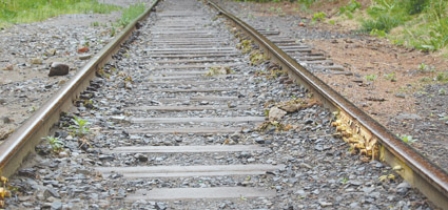
“The good surprise is we don’t need nearly as many ties as previously thought,” Craig told county officials at a meeting of the Planning and Economic Development Committee in May. “Another good surprise is the alignment, the gauge, and condition of the steel rails are good ... The only thing that is worse than previously thought is the condition of the bridge timbers.”
Bridge timbers are larger than regular ties and cost more money per foot, he added. “So we need fewer ties, but more bridge timbers and right now, we think that the cost of the two might balance out.”
Nonetheless, the CCIDA has concerns about the cost of railroad ties which is higher this year than previous years. Higher costs could be attributed to a number of factors including the recent economic downturn and weather related damages to railroads in other regions of the country. Either way, more railroad companies are investing in ties this year, Craig said, and it’s driving the price up.
In addition to assessing condition of rail ties, Stone Consulting also surveyed damage of bridges and railroad crossing conditions, as well as road beds and drainage issues, and it addressed challenges of making the rail line more resilient to flooding conditions in the future. The CCIDA is coordinating with the Chenango County Department of Public Works to correct some of these issues should the project continue to move forward.
“If any work is done this summer, it will be to the road bed,” Craig said in a phone interview on Tuesday. Because replacement of rail ties requires use of the train tracks, restoring damaged areas of the railroad bed is a priority, he added. “I don’t think replacement of rail ties will happen this construction season.”