NORWICH – Although environmental and zoning restrictions keep natural gas drilling out of city limits, the prospect of drilling in the area has city officials preparing for potential economic and safety impacts.
The years-long debate over the safety of hydraulic fracturing – better known as fracking – has had Chenango County residents up in arms, and with the pending issuance of high water volume horizontal drilling permits widely anticipated from New York Gov. Cuomo in the coming weeks, officials are doing what they can to prepare.
“Should drilling be permitted, there will be things that come up and we want to be ready for what happens,” explained Mayor Joseph Maiurano. “This is going to be something that’s long-term. The main thing is, we want to make sure it’s safe.”
On the economic end, Maiurano said the city is bracing for a potentially positive impact, citing population increase and a stream of businesses surrounding gas drilling sites where fracking was permitted in Pennsylvania. “It’s a ripple effect,” said Maiurano. “People spend money in those communities and it goes throughout. If you had a lot of these stores for retail, restaurants and hotels, it’s possible to hit at least a 25 percent business increase across the board.”
While economic implications could benefit city residents, other city officials are bracing for the social and environmental aspects of drilling. “We’re always educating ourselves. We’re learning what it is that we need to be concerned about and how to handle it,” said A. Jones, who heads the city’s Emergency Management Office. “We always want to be prepared. We want to understand it so we can be educated to the actual incident and the impacts, good, bad or indifferent.”
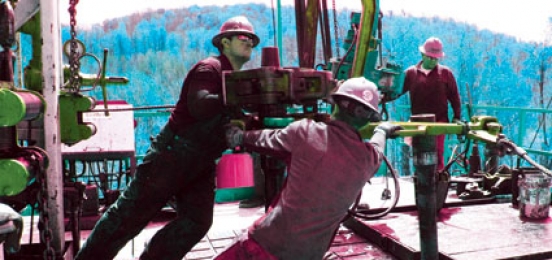
Jones and Fire Chief Tracy Chawgo have been working with first responders since the development of gas wells in the area in 2010, and coordinating training exercises that address different emergency scenarios associated with drilling. Drilling teams will have their own emergency response crew specially trained to deal with special situations, but it’s critical that local responders stay educated, said Jones.