SOUTH OTSELIC – The Otselic Valley Fishing & Heritage Association (OVF&HA) is proud to announce that on Saturday from 9 a.m. to 4 p.m., the small rural community of South Otselic will host its third annual Fishing Heritage Day. Home to one of New York State’s twelve fish hatcheries, and the former B.F. Gladding Co., the scenic Otselic River flows through this northwestern Chenango County hamlet and its surrounding communities, farms and woodlands. The nonprofit OVF&HA has been planning South Fishing Heritage Day over the course of the past year.
The hamlet has a long history related to the sport of fishing. It is home to the South Otselic Fish Culture Center for nearly 80 years, where Tiger Muskie and Walleye are raised and then released into New York State rivers and lakes. The former B.F. Gladding Company, established in 1816 within two miles of South Otselic, employed some 200 people during its heyday, and eventually moved its manufacturing complex into the hamlet adjacent to the river. Over the years, Gladding grew to become the largest, and eventually, the oldest fishing line manufacturer in the world, turning out what the greater angling community considered to be the highest quality lines available, and earning South Otselic the reputation as “the fishing line capital of the world.”
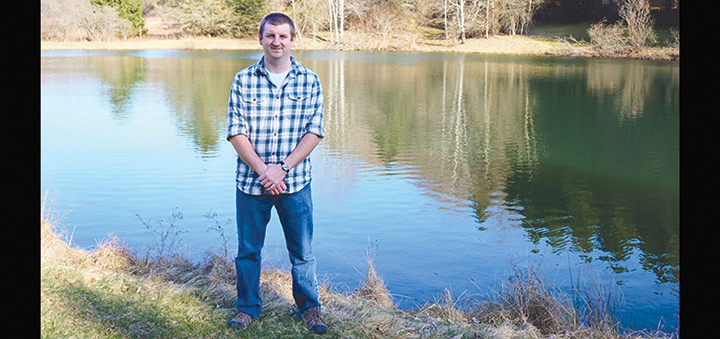
Building upon the past two years, OVF&HA Board Chairman Carl Johnson stated “The third annual Fishing Heritage Day promises to be another celebration calling attention to South Otselic’s historical past as home to a major fishing line industry, and the State fish hatchery. We are fortunate again to receive major assistance from the Department of Environmental Conservation (DEC), the Chenango Valley Chapter of Trout Unlimited (TU)and Gladding Braided Products, as well as consistent support from many valley-wide businesses and organizations. As during the past two years' events, we are looking forward to continuing an enjoyable, memorable and educational tradition for all who attend,” added Reverend Johnson.
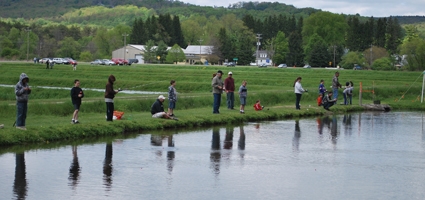
Some of the activities planned again for this year include tours of the fish hatchery’s operation and history, along with exhibitors, the “Living Stream” display and an opportunity to learn about the importance of the river's aquatic insects, conducted by TU volunteers. Two scheduled fishing clinics will again be held at one of the ponds, conducted jointly by DEC staff and TU volunteers, to familiarize school age anglers with techniques, tackle, species of fish, and casting instruction. Fishing equipment and bait will be provided for those wishing to participate in the free clinics.