NORWICH – The outlook for drilling hundreds of wells and producing large quantities of natural gas from the Marcellus Shale in Chenango County is very good, but the industry is about 10 to 15 years out, said a Colgate University geology professor this week.
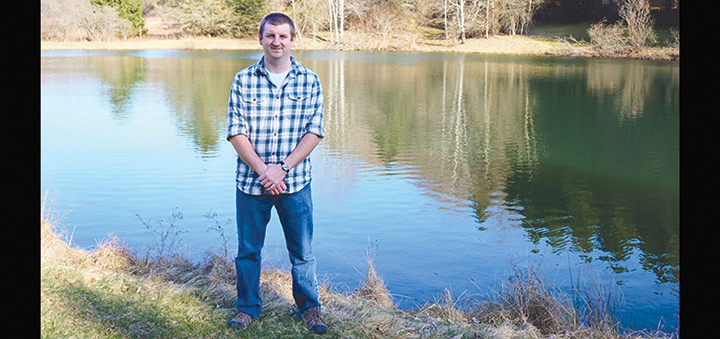
Whitnall Professor of Geology Bruce W. Selleck, who conducted a 45-minute presentation Tuesday for the Chenango County Natural Gas Committee, said the subsurface here – particularly in the southeast quadrant of the county – clearly shows significant potential for Marcellus development. But except for one vertical well drilled on a hilltop in Oxford, exploration in the formation is in the infancy stage. With low prices for the commodity in the marketplace and the state’s regulatory situation still undetermined, there’s no reason for companies to come in, he said.
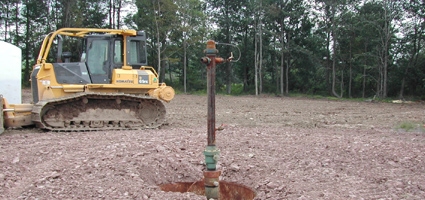
Norse Energy of Norway has been drilling and producing natural gas primarily from the Herkimer shale in the northern part of Chenango County, where they have a pipeline. The company does, however, have hundreds of acres leased for a pipeline it plans to build going south to the Millennium and for more wells.
“It is very likely that there will be Marcellus development in the Southern half of Chenango County once the regs are finished. I will be very surprised it we don’t see other companies coming in and doing what Norse is doing,” the geologist said.
Governor David Paterson effectively stopped all horizontal drilling of shale in New York last fall until the state’s environmental quality review regulations could be updated. Landowners and oil and gas companies hoping to make a profit and municipal economic developers hoping to create jobs have been painstakingly waiting. Just last weekend at a rally in Bainbridge, Senator Tom Libous and Assemblyman Clifford Crouch said they were told to expect the New York State Department of Environmental Conservation to give the go ahead by the end of September.
But Selleck doesn’t expect the DEC to pull through until January or February of 2010. After that, he warned companies and landowners who have leased their mineral rights to expect lengthy legal challenges from the Delaware River Basin Commission and from downtstate officials who fear New York City’s reserviors will become contaminated with formation water and fracking fluids.
“The DRBC will most likely file a lawsuit in federal court regarding water management and safety, further delaying the commencement of large scale drilling in New York until at least 2011,” he said.
Environmental issues
Burning natural gas is much greener for the environmental than burning other fossil fuels, and Selleck said many environmentalists’ concerns “are overblown.”
Nevertheless, he said he wished the DEC had better oversight for casing wells as they are drilled in order to isolate anything from the surface acquirer system. There are dissolved metals in formation water, or brine that’s extracted from drilling, but the concentrations are too low to determine the exact content and testing for them wouldn’t be cost-effective, he said.
“The oil and gas companies know this, and as the technology for horizontal drilling and hydrofraking develops, we are going to see more recycling of water, closed loop drilling and water treatment at the well site,” he said.
Selleck said he expects the U.S. Environmental Protection Agency to play a larger role in water quality monitoring going forward.