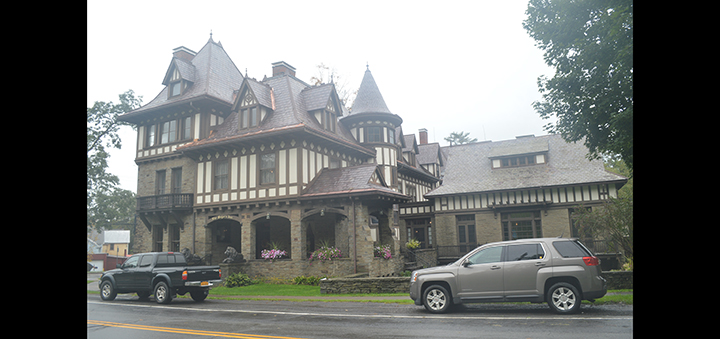
OXFORD – The fate of the older building at the Oxford Veteran’s Home on Highway 220 in the town of Oxford is still under discussion locally and between state officials.
On June 30, Village Mayor Terry Stark asked members of the Chenango County Health and Human Services Committee whether the county supported an alternative use for the 1970s era 200-bed facility and what those possible uses would be.
And prompted by a letter from Stark, New York State Senator Thomas Libous wrote to Department of Health Commissioner Richard Daines on June 12 asking for a meeting to discuss the following options: demolition as recommended by a consultant’s study last fall, continued use by the state, or deeding the building over to a local government entity such as the Chenango County Industrial Development Agency (IDA).
“The community believes there is a beneficial economic and/or social use for the existing building that could create jobs and foster more human interaction between the Oxford village/town residents and the veteran residents of the home. We believe this will lead to a better quality of life for both the veterans and the community,” wrote Stark in his correspondence to Libous.
The village and town of Oxford as well as the Chenango County Board of Supervisors have passed resolutions in support of the building’s continued use in lieu of demolition. In addition, a community support group has met with members of the New York State Governor’s office, the Oxford Veteran’s Home staff, State Assemblyman Cliff Crouch, and town and village elected officials.
Despite these efforts, Stark said not enough is being done at the county level to save the facility from the wrecking ball.
“I wanted to know what the county and the committee has done, whether they have pursued using the building or not, and what they are planning to do with this 20 million dollar asset,” Stark said. “They didn’t tell me anything I didn’t already know.”
His specific questions were whether the Chenango County Department of Social Services (DSS) had investigated the potential for a partnership with the state health department that could lead to the continued use of the building complex and whether there were long term health care needs that might require a capital project expenditure for a building complex similar to the vet’s home.