NORWICH – If they play their cards right, local farmers could ride the wave of opportunity created by the 2007 Energy Bill, two local agriculture advocates say.
President Bush signed the bill, known as the Energy Independence and Security Act of 2007, into law Dec. 19. It’s major goals: Increase alternative fuel production and consumption and decrease dependence on gasoline, thus foreign oil.
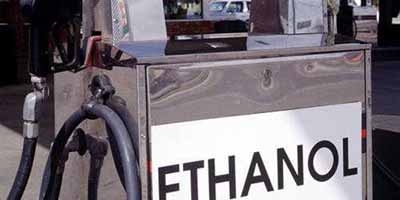
The bill specifically pours federal money into the development of cellulosic ethanol – fuel that can be made from waste products and non-essential forest and field products – and other value added resources. It also forces car companies to play along, requiring that they increase vehicle fuel economy and create more alternative fuel-friendly engines.
Bradd Vickers, president of Chenango County Farm Bureau, says the policy expands the production and use of fuels made from renewable energy sources, helps boost the nation’s energy security and encourages economic development in rural America.
“Agricultural producers in Chenango County like other American farmers and ranchers have the opportunity to play a significant role in the energy solutions of the future,” said Vickers, “including the production of renewable energy sources such as ethanol and biodiesel.”
As family dairy farms continue to struggle locally, Vickers and fellow Farm Bureau member Giff Foster – a Plymouth farmer who produces biodiesel from waste fryer oil – are trying to push growers to consider planting alternative fuel-friendly crops. The benefit: Such crops, like switch grass and rape seed, can be grown on marginal land in sub-par weather conditions. Meaning farmers wouldn’t have to sacrifice their best resources to create another source of income.
Foster says the financial incentive for farmers to join the alternative energy push hasn’t been there, but believes the energy bill is a good step in the right direction.
“We’re a little bit behind the 8-ball here,” Foster said, claiming that America is behind lesser developed countries like Brazil by 15 years. “It sounds like a step forward.”
Foster hopes to have a “Field to Fuel Tank” growers cooperative started in the county in the next few years. He’s currently trying to purchase a crop crusher that could convert plants into raw oils, the first stage of the fuel conversion process.
Mandated by Congress, the energy bill should create demand for alternative energy crops. Here’s a few highlights of what it does: